

1. Metaverse will displace the physical, hybrid and remote workplace
A. Pandemic induced Digital transformation has meant we are living through a digital workplace today. Talent is geographically dispersed, and we are connected through the digital for all things work. The last 5 years have made it more obvious to us how important human connections are. What the feeling of being with others can be. How much we’ve missed human interaction, and its metaverse that will bridge this gap. We’ll be able to see digital offices in form of Metaverse that will simulate the feeling of being in office.
B. Metaverse denotes a virtual reality-based successor to the internet filled with real-world metaphors and rampant opportunities for digitized entertainment, social bonding, and enterprise. Metaverse is embodied or immersive internet – currently the Metaverse strategy is already touching social use cases such as hanging out with friends and family, entertainment-oriented use cases, such as watching a cricket match with friends as if physically together, and is soon to translate into today’s workplaces.
C. Companies will be quick to invest beyond AI and metaverse shall redefine employee experience. This idea of a continuity… of being able to move from space to space is a pretty powerful construct which will require a set of interoperable standards that will be built by organizations. The digital workplace will be visible through the screens and stimulate the feeling of working alongside our teams, fostering the sense of collaboration that was deeply missed.
D. India is expected to the biggest market for Meta (formerly Facebook) in terms of the number of users and we expect some of the early pilots and tests for the new Metaverse strategy. We predict that Unicorns and IT sector will be the first movers in this space and such organizations will conduct early pilots and test out this use case.
2. Inclusion will take newer dimension of “Digital Inclusion”, a concept of promoting equity for all voices on the digital medium
A. Digital inclusion is the ability of individuals and groups to access and use information and communication technologies. Digital Inclusion refers to the activities by the organizations necessary to ensure that all individuals and communities, including the most disadvantaged, have access to and use of Information and Communication Technologies (ICTs).
B. Digital inclusion has 5 elements:
i. affordable, robust broadband internet service;
ii. internet-enabled devices that meet the needs of the user;
iii. access to digital skills;
iv. quality technical support; and
v. applications and online content designed to enable and encourage self-sufficiency, participation and collaboration.
C. The objective of digital inclusion will be to ensure that, for example, those with less purchasing power or with motor, intellectual or audio-visual disabilities are not left out of workforce. This means organizations will be working on different aspects such as:
i. Access to ICT, ensuring infrastructure, affordability and also ease of use.
ii. Assistive technologies which will facilitate access for people with disabilities who would not otherwise be able to use them.
iii. Digital Proficiency, whereby can organizations shall design online content which encourages self-sufficiency in digital skills and encourages collaboration.
iv. Social inclusion, focusing on the most disadvantaged or prejudiced sectors of society and workforce with specific programmes that help them to enter the digital world of work.
D. A lot of employees tend to feel faceless and anonymous in a hybrid environment. Digital inclusion will balance out the inequity between those working from home and those who chose remote work.
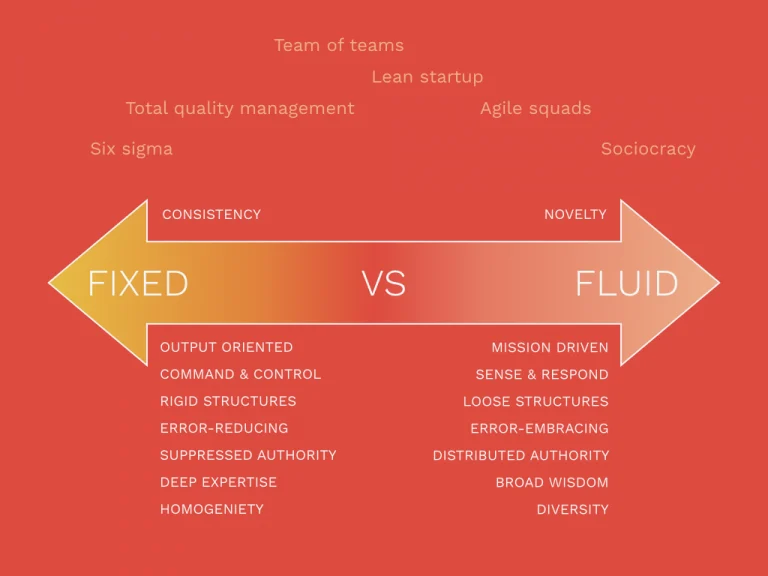
3. Fluid work will replace the traditional boundaries of talent and location – Work will move to where the talent agnostic of location
A. The survival of the fittest is the ageless law of nature. The fittest organizations are those endowed with the qualifications for adaptation, the ability to accept the inevitable and conform to the unavoidable, to harmonize with existing or changing conditions of a VUCA business world.
B. Industry witnessed a great Reverse migration phenomenon where talent moved to hometowns under lockdown and now industry has new challenge of the great resignation to respond to
C. We predict organisations will harmonize work structures to adapt to changing talent market dynamics and preferences of today’s modern workforce. Instead of talent moving to where work is, work will move to where talent is.
D. In line with this, there is already an emergence of tier 2 & tier 3 cities as satellite hubs of corporate offices.
E. There is already a preference of what we call as unbiased talent acquisition models – The current pandemic has given an opportunity to look at diversity, inclusion and equity under a new lens. Age, ethnicity, gender, social-economic backgrounds shall not be disqualifiers: With remote working, leaders will be able to zero down the gap for many individuals who may have not been able to join the workforce due to locational or personal constraints. A 35-year-old business leader, a 60-year-old data analyst, a homemaker-turned-designer, a farmer who runs a supply chain network—these and an even more diverse set of people will form the workforce of the future.
F. Newer work models like the work from anywhere model and gig work will be dominant work structures for 2022.